Barrie Swinnerton sent me these images taken this week of two of our less common breeders, Peregrine and Dartford Warbler, both of which seem to have fared well this year.


 The Scullcap Leaf Beetle Phyllobrotica quadrimaculata is an uncommon beetle found usually in damp places where Scullcap Scutellaria galericulata can also be found.
+6Jul10.jpg)
 Also today the very striking Pyrausta purpuralis. I was able to identify this via David Painter's post earlier this year; found by this link http://goweros.blogspot.com/2010/04/pyrausta-purpuralis-at-horton.html Thanks David.

+5Jul10.jpg) 2 above are Grayling with the one below showing how well they can blend in with their surroundings
2 above are Grayling with the one below showing how well they can blend in with their surroundings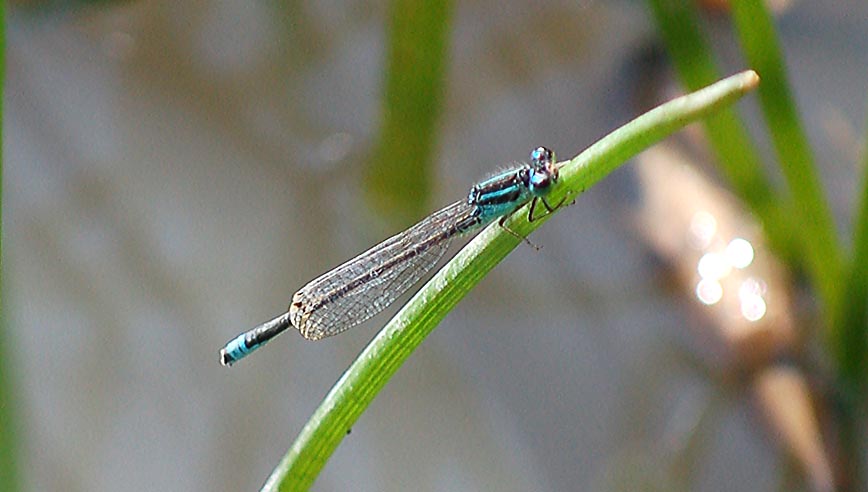 Above Scarce Blue-tailed Damselfly (male)
 Above Blue-tailed Damselfly (male)
 Above Golden-ringed Dragonfly (male)
a.jpg)
+5Jul10.jpg)
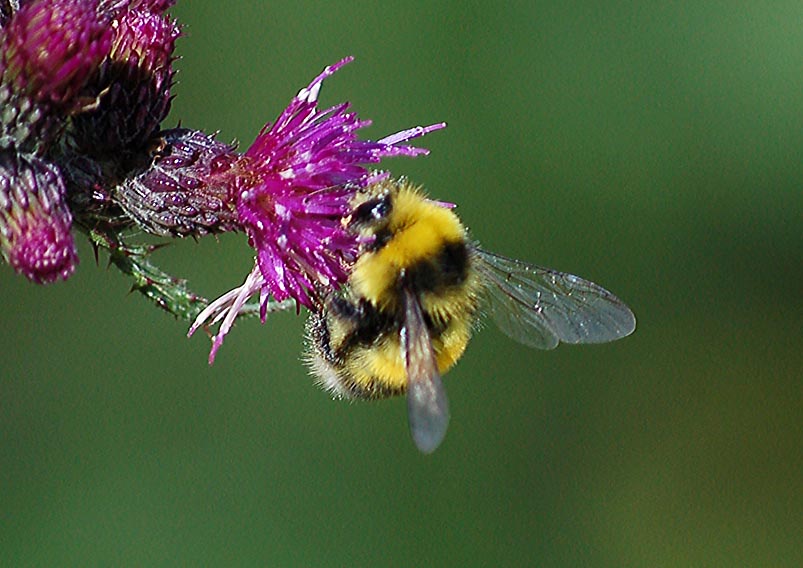
 I would be very grateful if anyone could confirm whether I have made the correct identification of this bumblebee.
I would be very grateful if anyone could confirm whether I have made the correct identification of this bumblebee.
a.jpg)

a.jpg)
 This Scorpion Fly Panopra communis was in the garden today. Quite common, but not numerous, flying May to August. This one is a female unfortunately and doesn't quite show the features that derives the name. The male has a far more pronounced tip to the abdomen (the red part of the photo above) which it holds over its body scorpion style. One of the main diagnostic features is the downward extension of the head to form a stout beak (shown below).
+Garden+01Jul10.jpg) Scorpion Flies, order Mecoptera, is a small group of flies. There are about 400 known species worldwide, with about 30 found in Europe. Mecoptera is a very ancient group and some of the present day Australian scorpion flies appear to have survived with little change since Permian times and qualify for the title "Living Fossils."
Scorpion Flies, order Mecoptera, is a small group of flies. There are about 400 known species worldwide, with about 30 found in Europe. Mecoptera is a very ancient group and some of the present day Australian scorpion flies appear to have survived with little change since Permian times and qualify for the title "Living Fossils."
